

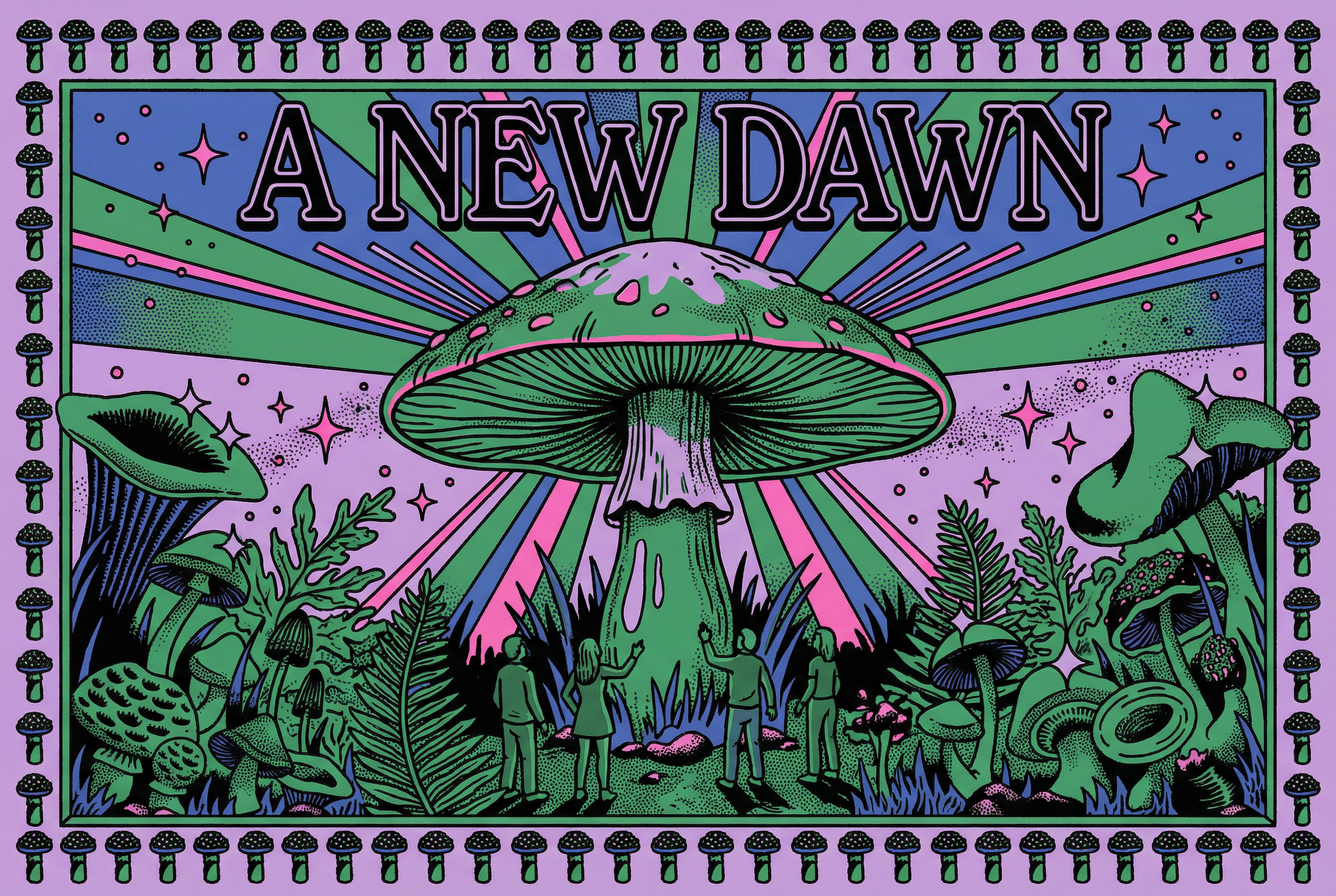
For decades, the therapeutic potential of psychedelic compounds like psilocybin was largely ignored by the scientific community, relegated to the fringes of medical research. But in the last ten years, a new wave of rigorous scientific inquiry has brought psilocybin back into the spotlight, and the results have been nothing short of revolutionary. In this article, we explore some of the most exciting developments in psilocybin research over the past decade and what they could mean for the future of mental healthcare.
A Breakthrough for Treatment-Resistant Depression
One of the most significant breakthroughs in recent psilocybin research has been its remarkable efficacy in treating treatment-resistant depression (TRD), a debilitating condition that affects millions of people worldwide. In 2018, the U.S. Food and Drug Administration (FDA) granted Breakthrough Therapy designation to psilocybin for the treatment of TRD, a move that has helped to accelerate the pace of research and development [1].
Since then, numerous studies have demonstrated the profound and lasting antidepressant effects of psilocybin-assisted therapy. A 2022 study published in the New England Journal of Medicine found that a single 25mg dose of psilocybin, combined with psychotherapy, was as effective as a six-week course of the antidepressant escitalopram in reducing depressive symptoms [2].
Expanding the Therapeutic Landscape
While the initial focus of psilocybin research was on depression, recent studies have begun to explore its potential in treating a wide range of other mental health conditions. Promising results have been seen in the treatment of anxiety, post-traumatic stress disorder (PTSD), and addiction [3].
A 2016 study from Johns Hopkins University found that psilocybin-assisted therapy was effective in helping long-term smokers quit, with 80% of participants remaining smoke-free at the six-month follow-up [4]. And in 2022, a study from the University of California, San Francisco, showed that psilocybin, in combination with psychotherapy, was effective in reducing heavy drinking in adults with alcohol use disorder [5].
Unlocking the Mysteries of the Mind
Beyond its therapeutic applications, psilocybin research is also shedding new light on the inner workings of the human brain. Neuroimaging studies have shown that psilocybin can induce a state of "unconstrained consciousness," characterised by increased connectivity between different brain regions that do not normally communicate with each other [6].
This "rewiring" of the brain is thought to be one of the key mechanisms behind psilocybin's therapeutic effects, allowing individuals to break free from rigid patterns of thinking and behaviour and to form new, healthier neural pathways. As our understanding of the neuroscience of psilocybin continues to grow, so too will our ability to harness its transformative power for healing and personal growth.
The Road Ahead
The resurgence of psilocybin research represents a paradigm shift in our approach to mental healthcare. After decades of stagnation, we are finally beginning to unlock the therapeutic potential of these powerful compounds and to develop new, more effective treatments for some of the most challenging mental health conditions of our time.
While there is still much to learn, the future of psilocybin research is bright. With continued scientific inquiry and a commitment to responsible and ethical practice, we have the opportunity to usher in a new era of mental wellness — one in which the healing power of psychedelics is available to all who need it.
References
[1] U.S. Food and Drug Administration. (2018). FDA grants Breakthrough Therapy Designation to psilocybin for treatment-resistant depression.
[2] Carhart-Harris, R. L. et al. (2021). Trial of psilocybin versus escitalopram for depression. New England Journal of Medicine, 384(15), 1402–1411.
[3] Johns Hopkins Center for Psychedelic and Consciousness Research. Research overview.
[4] Johnson, M. W. et al. (2017). Long-term follow-up of psilocybin-facilitated smoking cessation. The American Journal of Drug and Alcohol Abuse, 43(1), 55–60.
[5] Bogenschutz, M. P. et al. (2022). Percentage of heavy drinking days following psilocybin-assisted psychotherapy vs placebo. JAMA Psychiatry, 79(10), 953–962.
[6] Carhart-Harris, R. L. et al. (2014). The entropic brain: a theory of conscious states informed by neuroimaging research with psychedelic drugs. Frontiers in Human Neuroscience, 8, 20.