

The Earth Sauna — The First Sweat Rooms (c. 7000 BC)
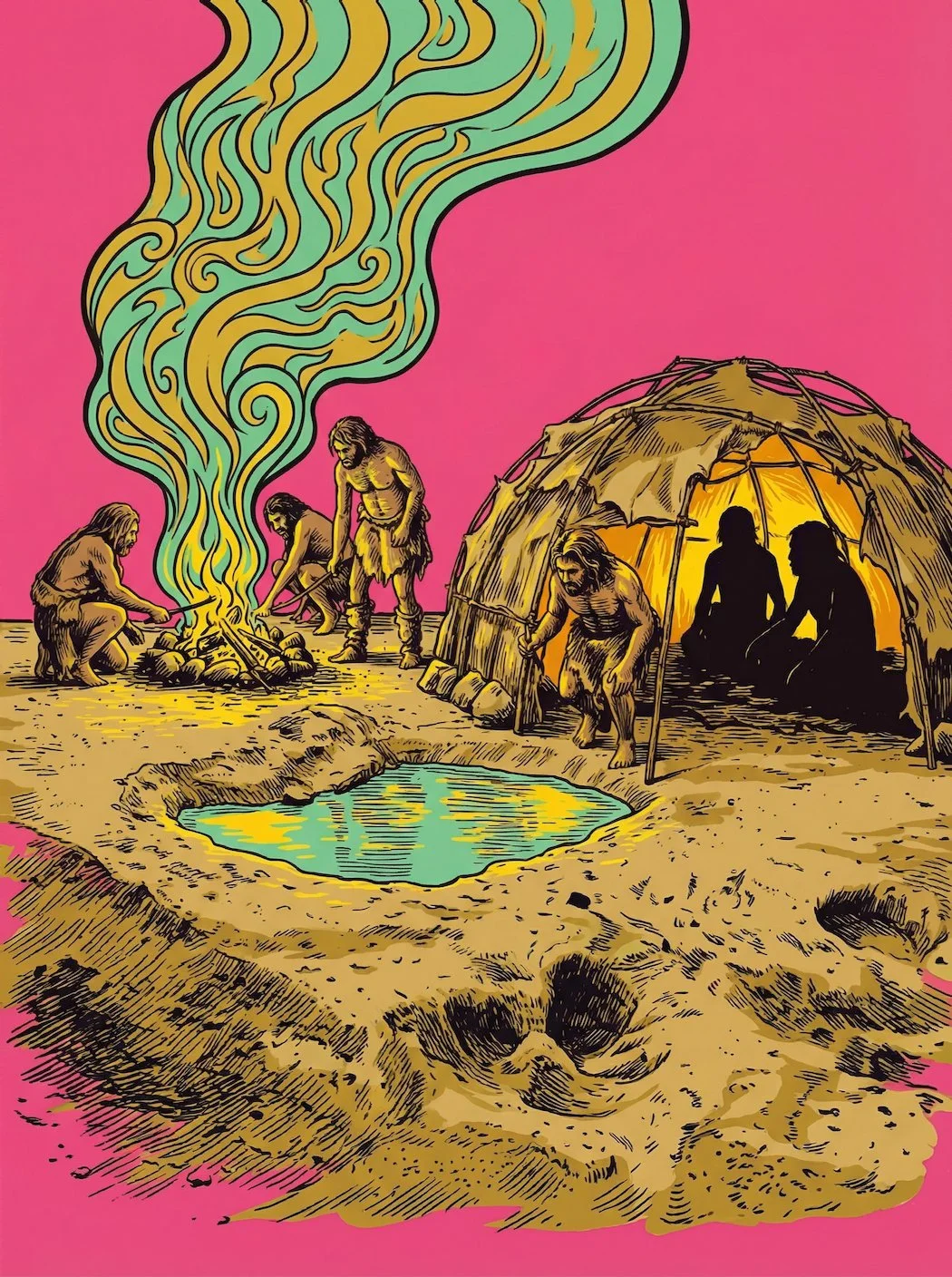
Long before wooden cabins or electric heaters, the earliest saunas were simple pits dug into the ground. Heated stones were placed inside and covered with animal skins, turf, or wooden frames to trap heat. Water poured onto the stones created the first steam baths.
These primitive “earth saunas” likely appeared shortly after the Ice Age across northern Europe and Siberia. They were used not only for bathing, but also for warming the body during harsh winters and for communal gatherings.
Skara Brae — Heated Stone Houses (c. 3200 BC)
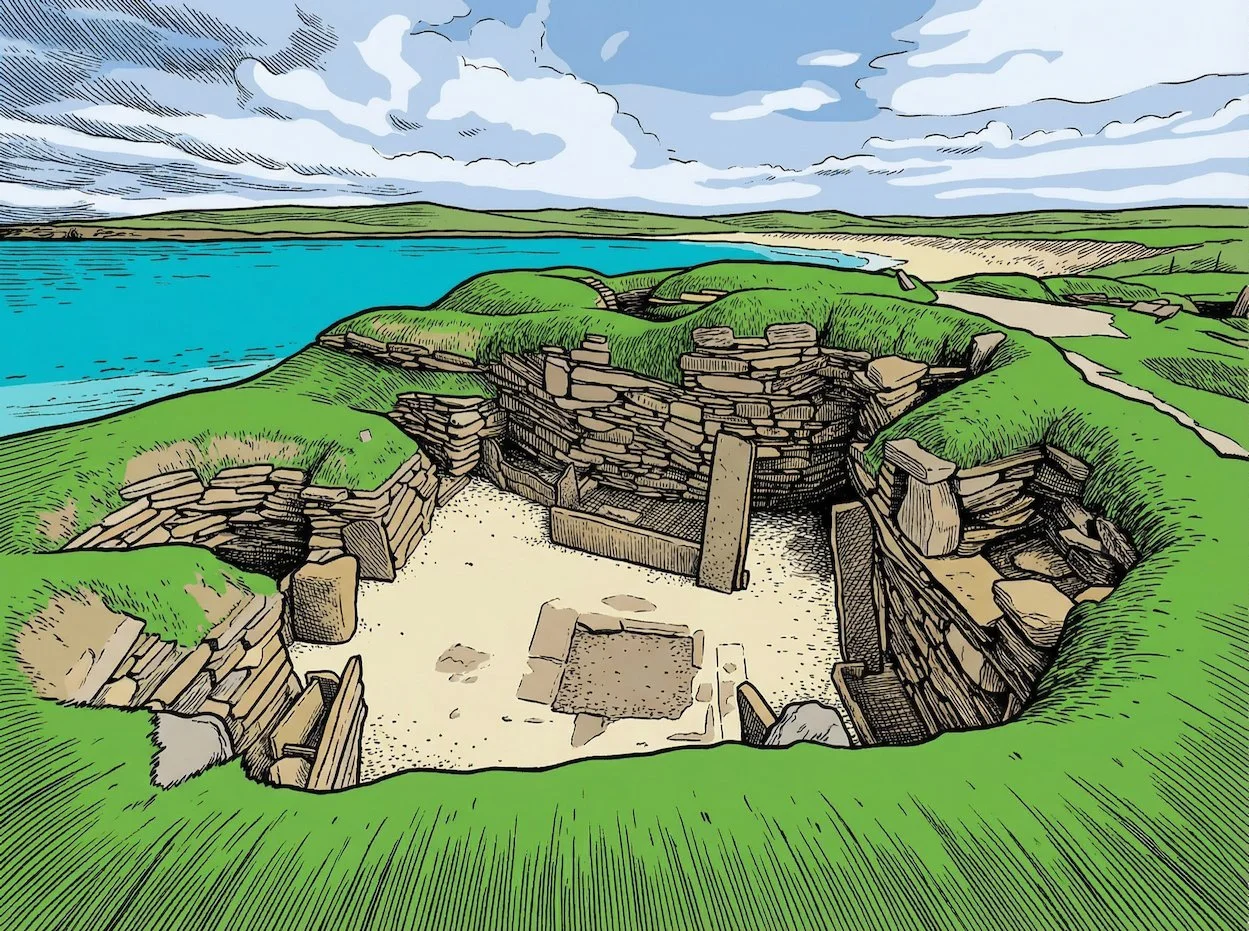
Skara Brae, located on the Orkney Islands off the north coast of Scotland, is one of the best-preserved Neolithic settlements in the world. Built around 3200 BC, it predates both the Egyptian pyramids and Stonehenge.
The village consists of a cluster of stone houses connected by covered passages. Each house contained a central hearth, stone beds, and built-in furniture, all carved from stone slabs.
Because these houses were low, enclosed, and heated by fire, some researchers have speculated that they may have produced warm, humid interiors similar to primitive sweat rooms—especially when water or wet materials were heated near the hearth. While there is no definitive evidence that Skara Brae functioned as a sauna, the site shows that northern European communities were already building heated stone rooms thousands of years before recorded sauna culture in Finland.
The Russian Banya

The banya is the traditional Russian steam bath and has existed for more than a thousand years. Early written descriptions appear in the Primary Chronicle (10th century), which recorded how Slavic people heated wooden huts with hot stones and poured water over them to create thick steam.
Inside the banya, bathers sat in intense heat before striking their skin with bundles of birch or oak branches called venik. The leaves released aromatic oils while stimulating circulation.
After heating themselves, bathers would often plunge into cold rivers, snow, or icy water, creating the powerful hot–cold ritual still practiced today.
Contemporary observers were stunned by the practice. One medieval account described it like this:
They heat themselves until they are red, almost to the point of fainting, then lash themselves with birch branches and finally throw themselves into cold water.
The Finnish Smoke Sauna (Savusauna)
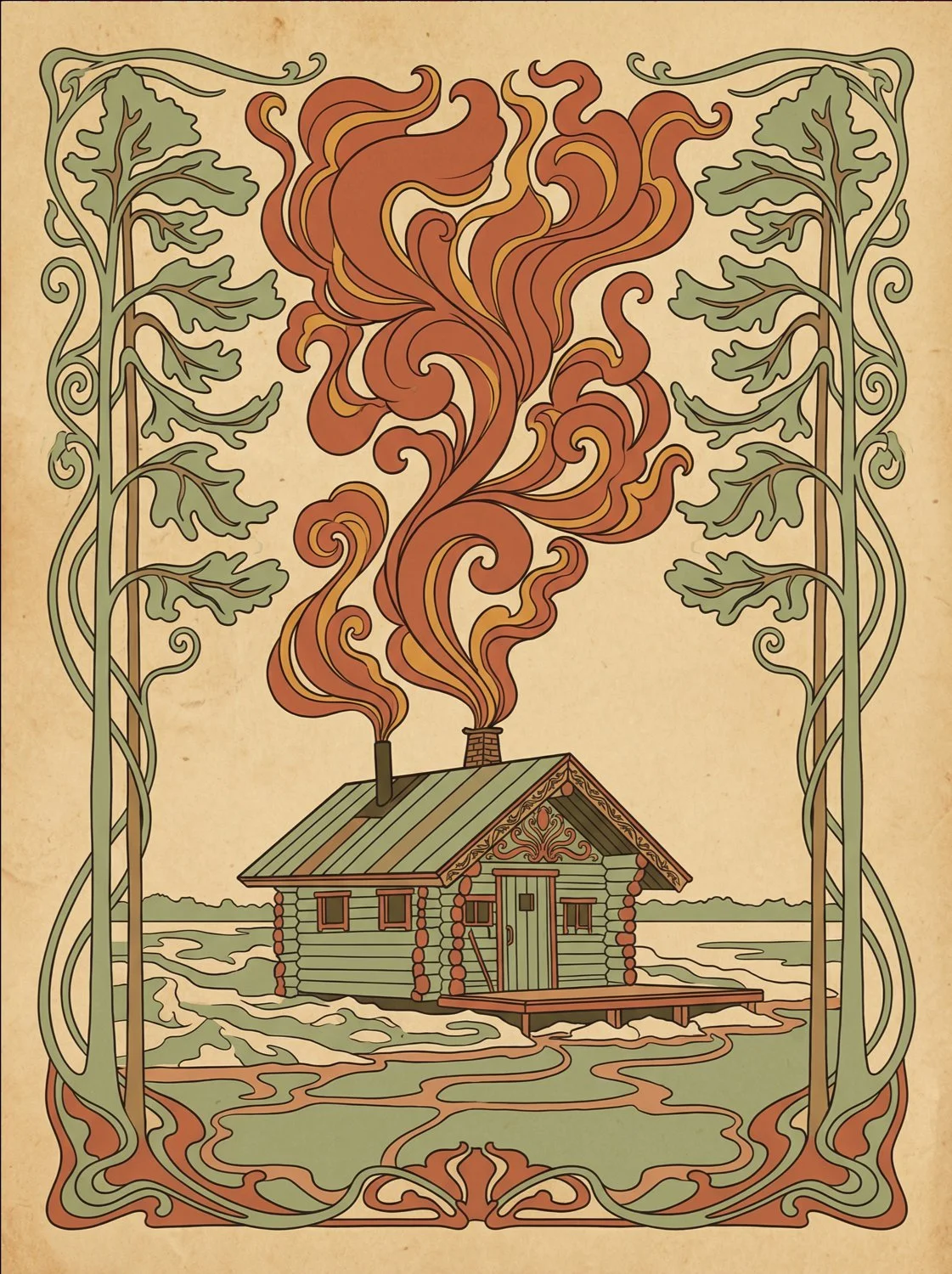
The ancient Finnish sauna was the savusauna, or smoke sauna. These appeared across Finland by the early medieval period and are considered the original form of the Finnish sauna.
Unlike modern saunas, the smoke sauna had no chimney. A fire burned beneath a large pile of stones for several hours, filling the room with smoke. Once the stones were hot enough, the fire was extinguished and the smoke was allowed to escape.
What remained was a deep, gentle heat radiating from the stones and wooden walls that could last for many hours.
Inside, bathers poured water over the hot stones to create steam known as löyly, which many Finns describe as the spirit or soul of the sauna.
The Tradition Continues at The Hot Cold Club
Thousands of years later, the ritual is the same: get hot, get cold, repeat. Come and join it.
From the Shop
Store welcome discount: 10% off with code 10degrees at the shop.


Follow us on Instagram